
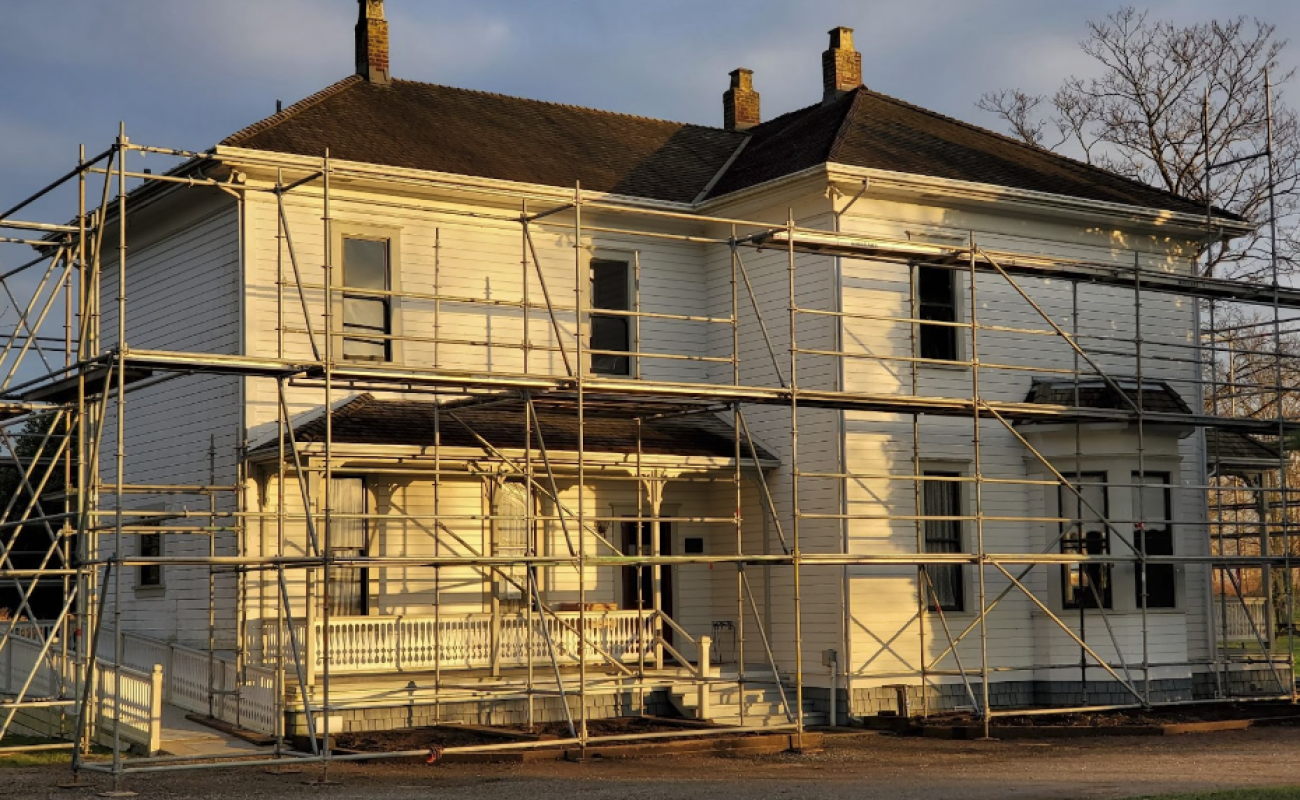
The siding on your home changes how people view it, giving them the color and style to describe it: but it’s more than just appearances. The type of siding you pick will change how long it lasts, what protection it offers your property, and how much it will cost.
There are endless options once you consider style and color, so how does anyone pick? These are the most common siding materials and what they bring to the table.
Wood
Wood is one of the oldest materials used for building, yet it’s still one of the most commonly used options out there. This is a strong material that, when well cared for, can last a long time and look fantastic. Homes in the Phoenix area are often built with lumber, but this material is used far less often for siding in this city compared to others.
Fiber Cement
Although fiber cement isn’t energy efficient and can be difficult to install, it’s still incredibly popular for homeowners who want an inexpensive and long-lasting material. Fiber cement can last up to fifty years and allows owners to repaint after a few years if they’re going to freshen the look of their home and boost curb appeal.
Stucco
Stucco has been used for thousands of years and continues to be one of the most durable types of siding in everyday use. This is an incredibly popular home exterior in Phoenix because of its classic appearance and ability to be painted often. One of the best things about stucco is it’s also insulating and can cut down noise from the outside world.
No siding is perfect, though. This material is highly absorbent and can need some maintenance to keep a fresh appearance.
Vinyl
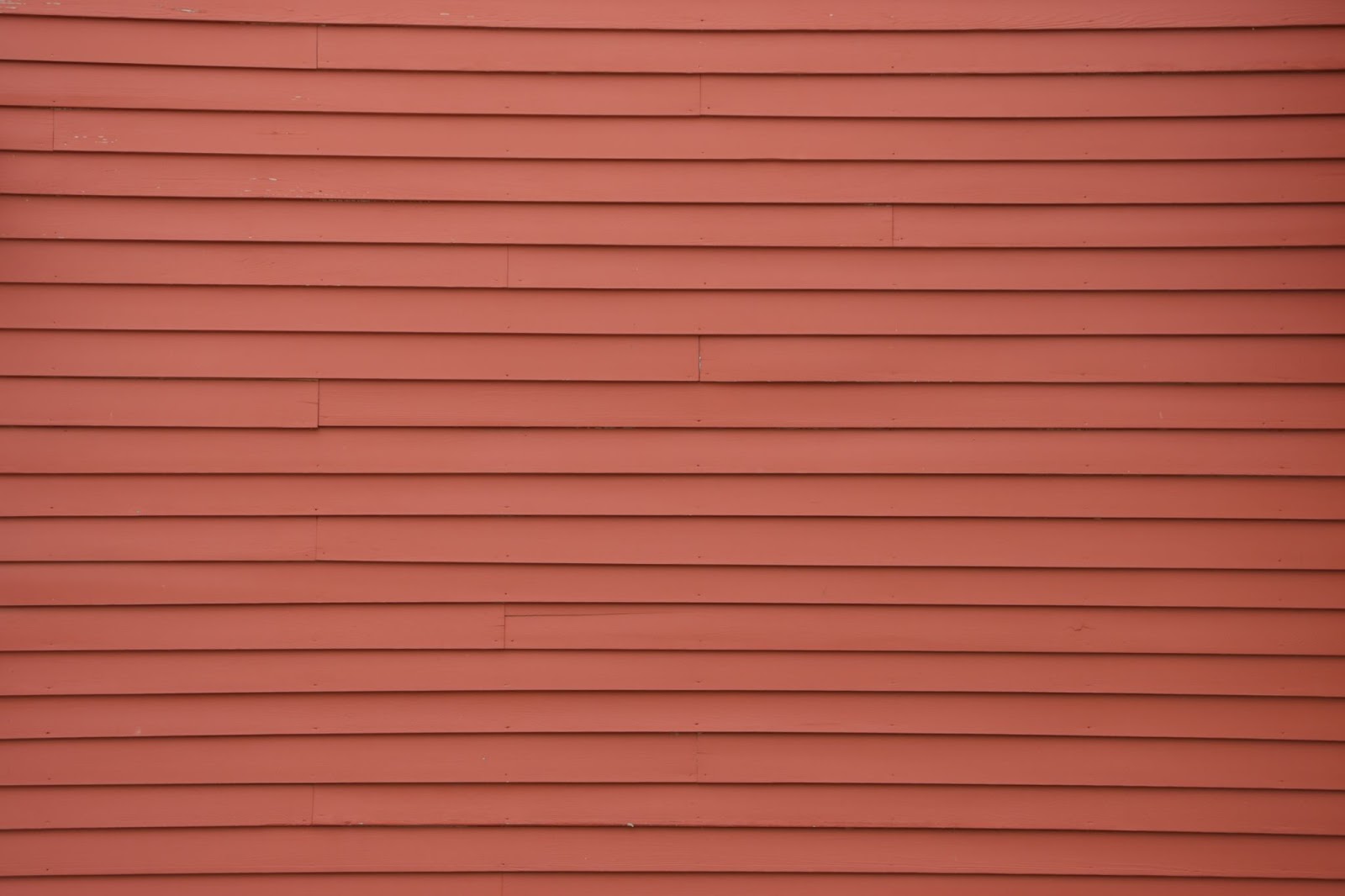
Vinyl siding is one of the most common types in the country and continues to offer long-lasting and attractive protection to every home it’s on. The most popular look for vinyl this year has been board and batten siding, which makes the entire building look taller.
Unfortunately, it can easily dent, and the elements can crease, crack, or fade vinyl siding: but luckily, it’s affordable. Getting to change the color and style drastically when you update it makes how often you have to change it a little easier to deal with.
Metal
Metal siding is increasingly popular in residential areas, with steel being durable against weather and temperature fluctuations. This can be painted to look however you want while still being able to protect your home.
It can be prone to rust, which isn’t as much of a problem in Phoenix, but it’s also a very heavy material and more expensive than others on this list.
Stone Veneer
If you like a classic stone look, a stone veneer may be the siding for you! This beautiful material can make your home look rustic and attractive, even when used in small amounts. This type of siding is stronger and more impenetrable than wood while also boosting curb appeal.
Brick
Another classic choice, brick siding holds up to all elements that could impact a home, is fire resistant, keeps out weather and animals, and also looks incredible. On top of everything, a brick cladding system is also incredibly eco-friendly and lasts for 20 to 25 years as a veneer, although it stays more permanently when built onto the structure itself.
Other Areas of Your Home’s Exterior That Need Updates
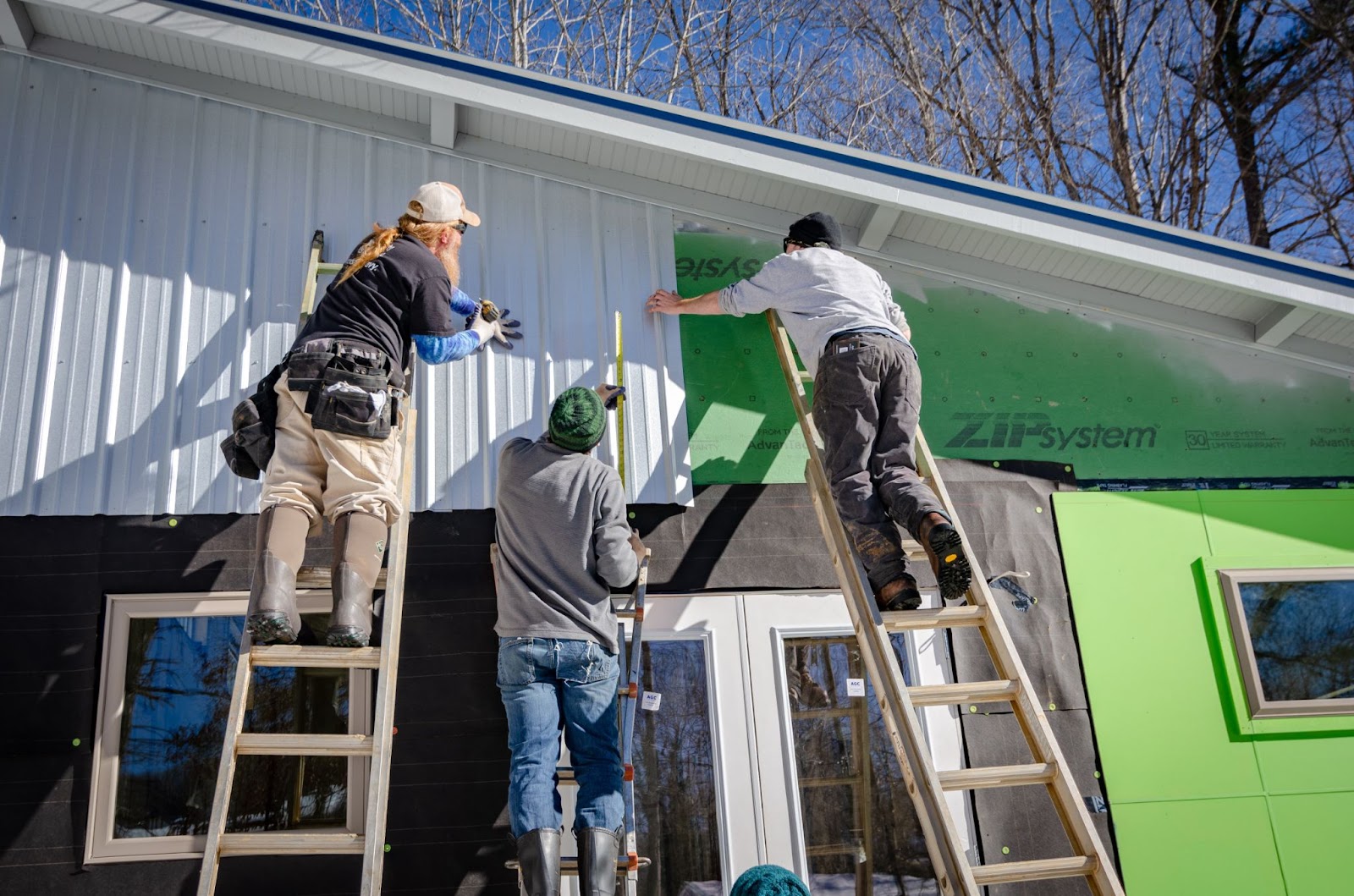
There are other parts of your home that should be updated along with your siding, or your property could look half-finished. In order to succeed, it’s a good idea to stop and consider what areas of your property need updates.
Roofs are another large portion of the exterior of any property that stands out the moment they’re in disrepair or are older. If you’re updating your siding, stop to consider how old your roof is. The average material lasts for thirty to fifty years and putting off replacing a roof that needs an update could lead to a Phoenix home that feels like an oven.
Updating your garage door will also add a fresh touch to the exterior of your home, especially if it’s older. This improvement has the highest return on investment of any home exterior update, so it’s a good idea to get it done when it’s needed.
Consider checking your exterior wall insulation while you’re working on this as well. Exterior wall insulation helps keep the cool air inside during the summer and the warm air in during the winter. This material can also help silence any noises from nearby roads or neighbors.
Redoing Your Siding is a Large Decision
Whether you’re updating your home to sell it or your siding is simply due for a change, it’s important to consider what this part of your home does for you. Pick your material and style carefully, and your home can be changed for the better!